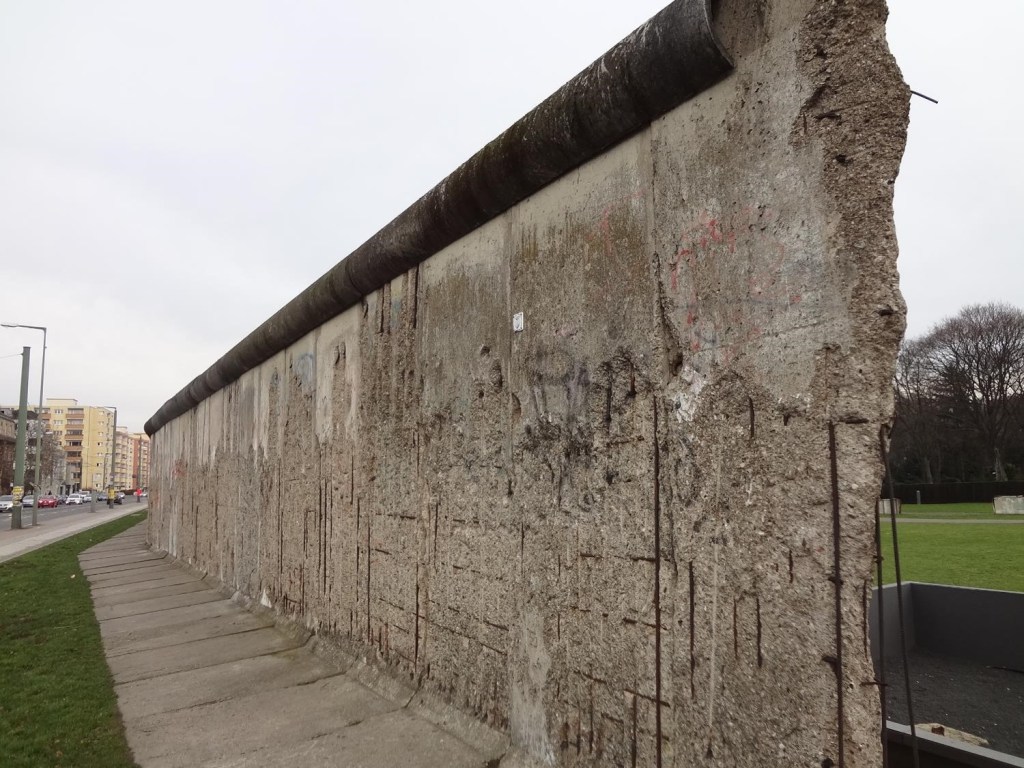
I’ve long been fascinated by the history of Berlin. As an undergraduate student, I took an entire class on the city, then studied abroad there. But, until recently, I had never heard the fascinating story of a daring escape beneath the Berlin Wall in September 1962: the case of Tunnel 29. Revealed first in a podcast for BBC Radio 4 and later in a book, the story of Tunnel 29 is a tale of bravery, ingenuity, engineering, friendship, and TV journalism. Created by journalist Helena Merriman (who also wrote the book), the Tunnel 29 podcast narrates the history of Joachim Rudolph and his fellow diggers, most of them university students, who tunneled beneath the Berlin Wall from West Berlin to East Berlin, then helped 29 people escape through the tunnel, under the noses of the East German border guards. Along the way, the diggers faced adversity (the tunnel was plagued with persistent water leaks), the very real threat of discovery by the East German authorities (another tunnel was betrayed to the Stasi, the East German secret police), and the risks associated with the presence of an NBC camera crew (who filmed the construction of the tunnel and the escape for a TV documentary).
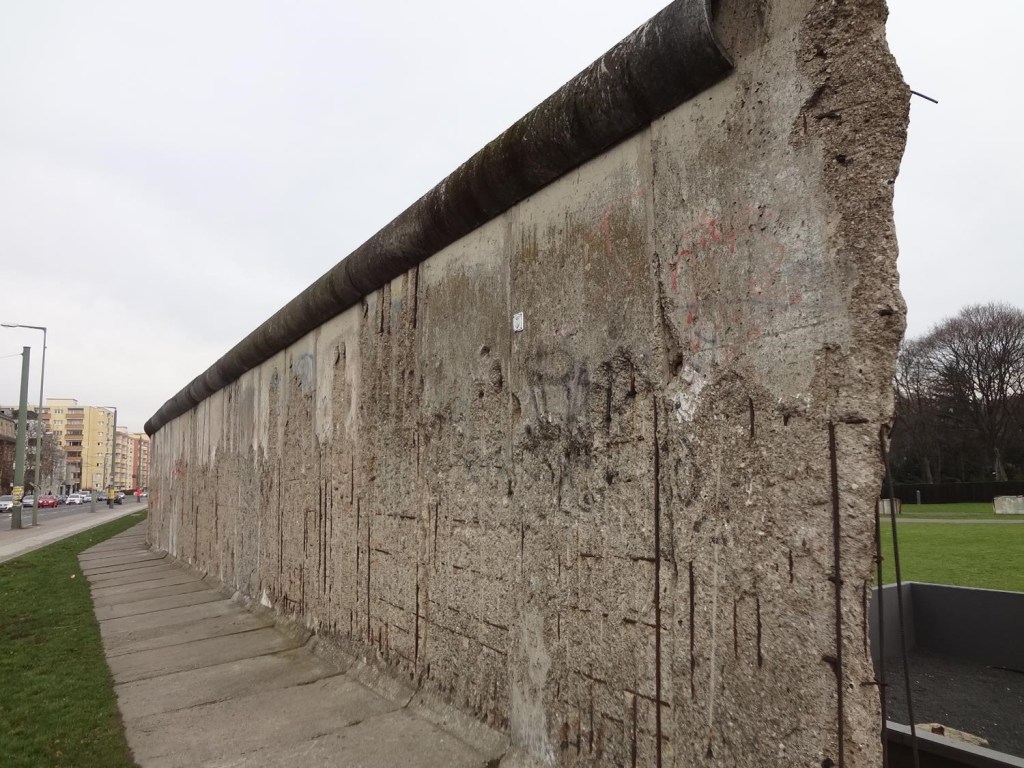
The Tunnel 29 podcast, which was released in 2019, is, to put it succinctly, a thriller. Drawing on firsthand interviews with eyewitnesses – whose stories are sometimes related by voice actors – Merriman immerses listeners in the story of the tunnel, the real-life stories of the people who built it and who escaped through it, and the tense atmosphere of Berlin in the spring and summer of 1962. Merriman expertly builds suspense by detailing the dangers faced by the diggers, especially the threat of discovery by the East German border guards, and by ending each episode (with the exception of the last) on a cliffhanger note. Speaking from personal experience, this narrative structure engages listeners from the beginning; I listened to the entire ten-episode podcast in one sitting. The podcast is also brilliantly atmospheric. Sound effects, interspersed in the narration, evoke the sounds of the tunnel and of divided Berlin, such as an excerpt from the East German government’s announcement of the closure of the border between East and West Berlin in August 1961.
To tell the story of Tunnel 29, Merriman employs an in media res storytelling technique. She begins in the middle, taking listeners down into the tunnel as it’s being constructed, then “rewinds” in order to provide exposition (historical background) on the main digger featured, Joachim Rudolph. Merriman also briefly discusses the larger historical context – the construction of the Berlin Wall in August 1961 – although the focus remains on the story of Tunnel 29. In my opinion, devoting a bit more time to the complex geopolitical situation in Berlin before August 1961 would have been helpful for non-specialist listeners, particularly to distinguish the various geopolitical actors in the story (East Germany, West Germany, and the Four Powers). Delving a bit deeper into the events surrounding the construction of the Berlin Wall, as well as the early history of the Cold War, would have enabled listeners to gain a better understanding of the situation in Berlin at the time that Tunnel 29 was constructed.
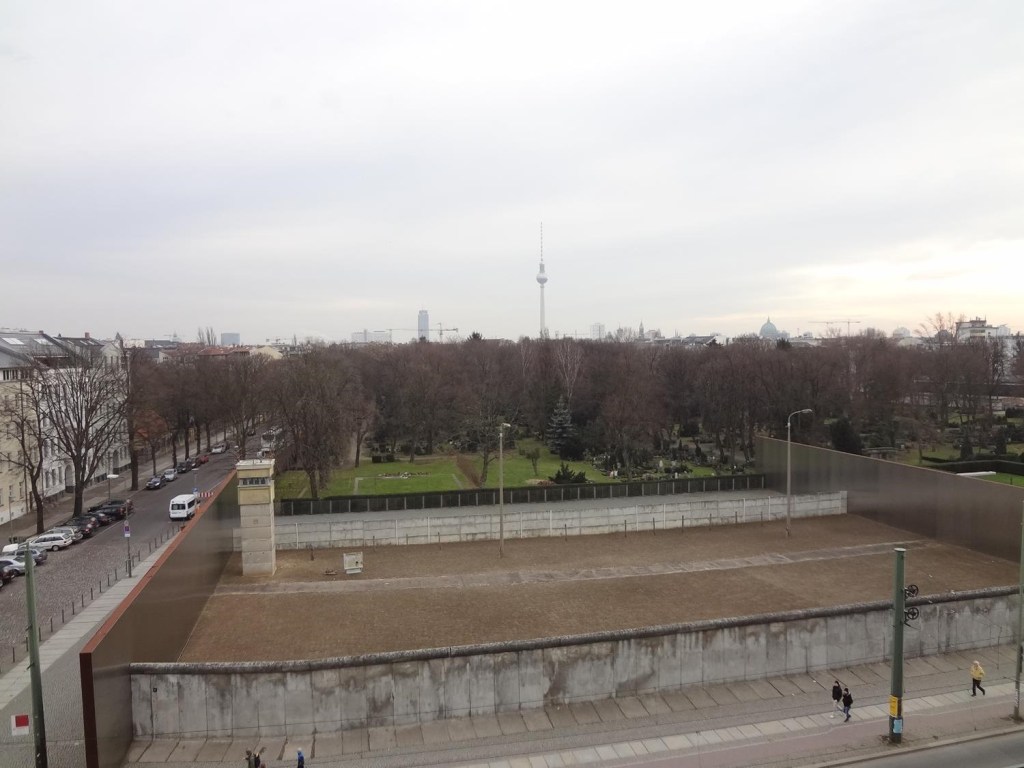
A wish for more information was a common refrain as I listened to the Tunnel 29 podcast. I often found myself thinking, “I wish I could hear more about that.” Clearly others felt the same, as, in 2021, Merriman published a book, also called Tunnel 29, which expands the story of the tunnel presented in the podcast. The book is very much in the style of the podcast, as urgent narration makes the reader feel as though they are “along for the ride” as the story of the tunnel unfolds. This effect is partially achieved through a shifting of tense. Unlike a traditional work of history, Tunnel 29 is written in the present tense, as if Merriman is narrating the events as they occurred. This present-tense narration – together with relatively short chapters – helps Merriman build suspense in her written narrative, something that was key to the success of the podcast. For someone used to writing history in the past tense, the present-tense narration was a bit jarring at first. Ultimately, however, I believe that it works in this case, in part because the use of the present tense enables Merriman to incorporate the thoughts of those connected to the tunnel into the narrative (e.g. “Joachim hears a strange noise.”), which adds urgency and builds suspense. These thoughts are, of course, not invented as in a work of fiction, but derived from Merriman’s own interviews with the historical actors in question.
Tunnel 29 fills out some of the gaps in the podcast, providing more information about the diggers other than Joachim Rudolph, who was prominently featured in the podcast; the escapees seeking to leave East Berlin; Reuven Frank and Piers Anderton from NBC, who led the production of the documentary on the tunnel; and the Stasi officers and informants attempting to discover the location of the tunnel and prevent the escape. The book also takes the story of Tunnel 29 beyond the escape, detailing the immediate aftermath of the escape, as well as what happened to some of the people connected to the tunnel. Merriman also provides a short guide to some of the locations mentioned in the podcast and book, such as the cellar where the tunnel began in West Berlin and Schönholzer Strasse 7, where the tunnel ended in East Berlin, enabling readers to map the story and see the places where these events occurred.
Thus far, the story of Tunnel 29 has made excellent material for both a podcast and a book, as well as the NBC documentary, which was released in 1962. Why stop there? I believe that it may be time for a new documentary on the tunnel. A documentary based on Merriman’s research would update the story presented by NBC in 1962, particularly now that we know what happened, not only to those connected to the tunnel, but also to the Berlin Wall itself. Furthermore, it seems that the documentary format would bring together the best aspects of the podcast (atmosphere, sound effects, and engaging narration) and the book (greater detail about the actors and the aftermath). If such a documentary is made, I will eagerly watch it, and, the next time I’m in Berlin, I will visit Schönholzer Strasse 7, where there is now a plaque marking the extraordinary story of Tunnel 29.



 Making the Past Present
Leave a comment