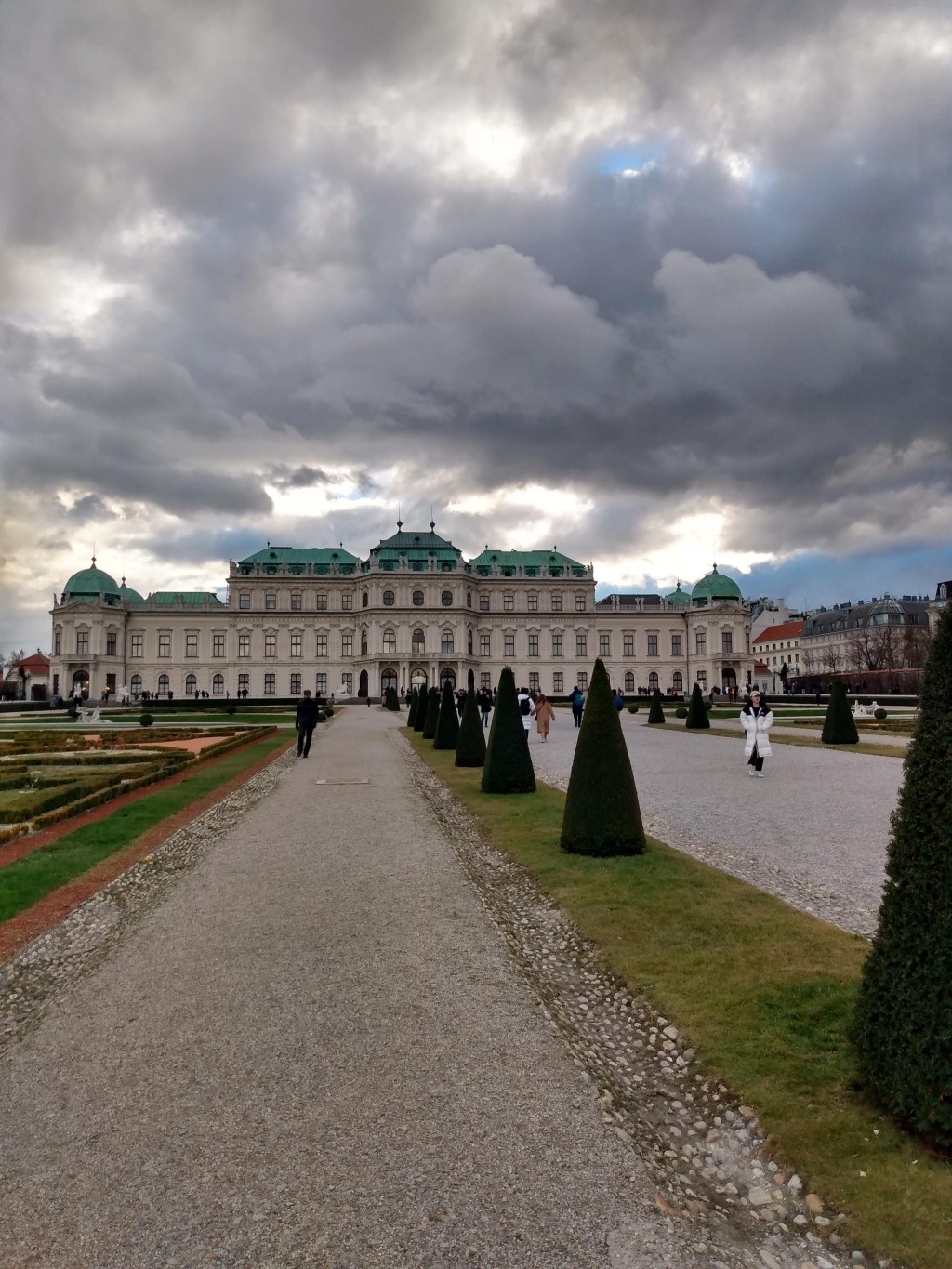
The first essays for the spring term are submitted, so it’s time to get back to my much-neglected blog! Casting my mind back to Christmas (time really has flown by, hasn’t it?), I want to talk about one more aspect of my trip to Vienna, although, to be fair, I could probably talk about Vienna for days. Several of Vienna’s major museums are palatial – quite literally. That is, they are located in former palaces, which creates a particular kind of museum experience, one that combines viewing the exhibits with an appreciation of the building’s own history. Both of the palatial museums that I visited at Christmas are art museums, in which the paintings and sculptures are displayed in the palace’s rooms, which at times retain something of their original decorative features.

The Albertina is an art museum located in a former stand-alone palace which became part of the sprawling Hofburg imperial complex as it expanded in size. Originally built for Empress Maria Theresa’s favorite daughter and her husband, the Albertina is now home to a large art collection. To give a bit more historical background, the husband, Albert, Duke of Teschen, was an avid art collector. His collections form the basis of the museum’s collections today.
When I visited the Albertina, it had a very impressive special exhibition of Albrecht Dürer’s artwork, spread across several rooms. The rooms used for this special exhibition and the exhibit areas at the Albertina more generally have been modified to fit their purpose as spaces for displaying artwork. The walls are either white or a solid dark color, and the rooms generally don’t retain a high level of decoration. However, one section of the Albertina still provides the “palace experience” for its visitors. A set of state rooms have been restored and furnished according to their original appearance during the time when the Albertina was still a palace. Very little artwork is displayed in the state rooms, as the historic interiors are the art on display.

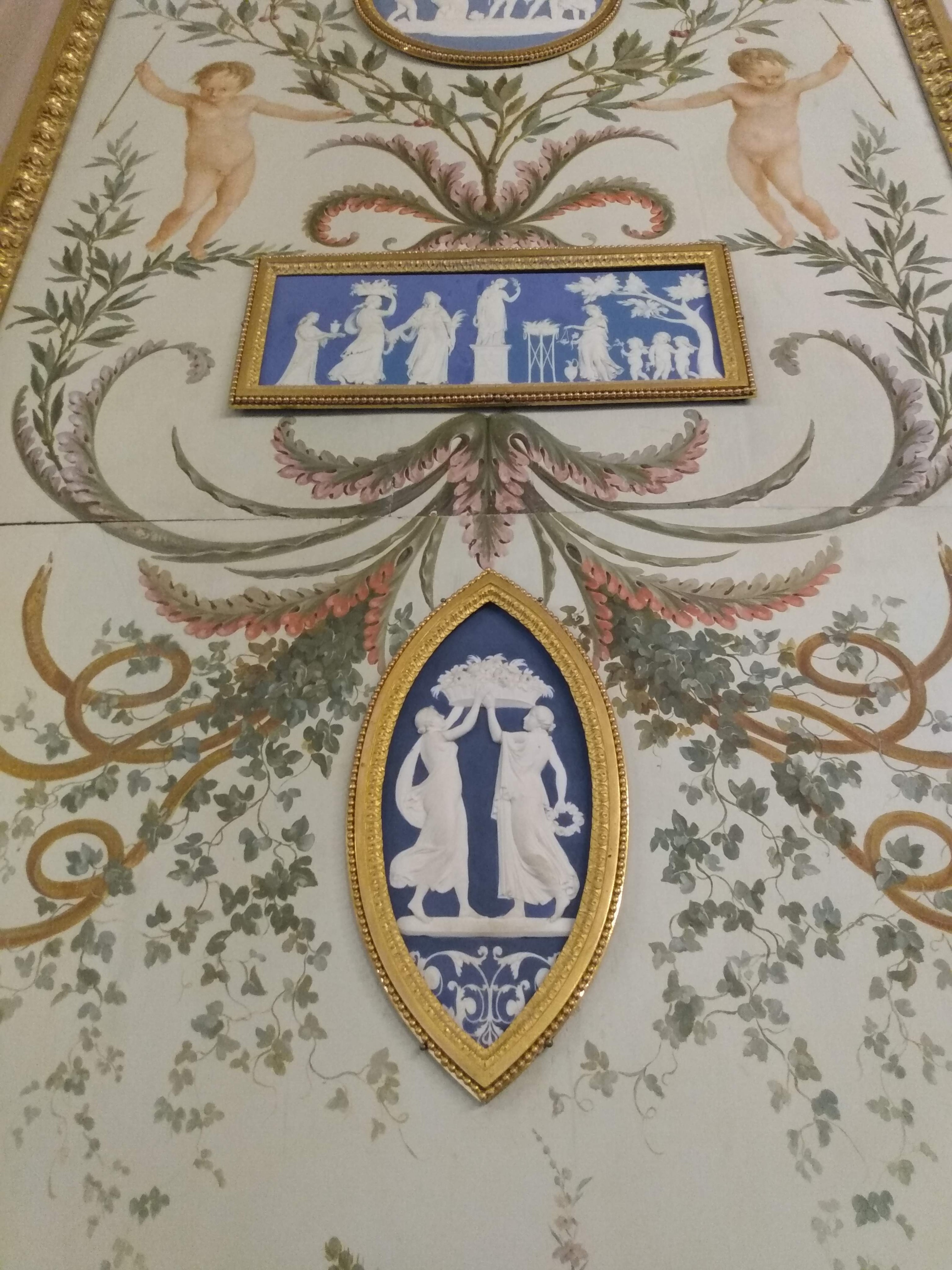
A bit farther out of central Vienna is the Belvedere. Formerly the summer palace of Prince Eugene of Savoy (a Habsburg military commander in the 18th century), the Belvedere is now a museum home to artworks created by some of Austria’s most famous artists, including Gustav Klimt and Egon Schiele.
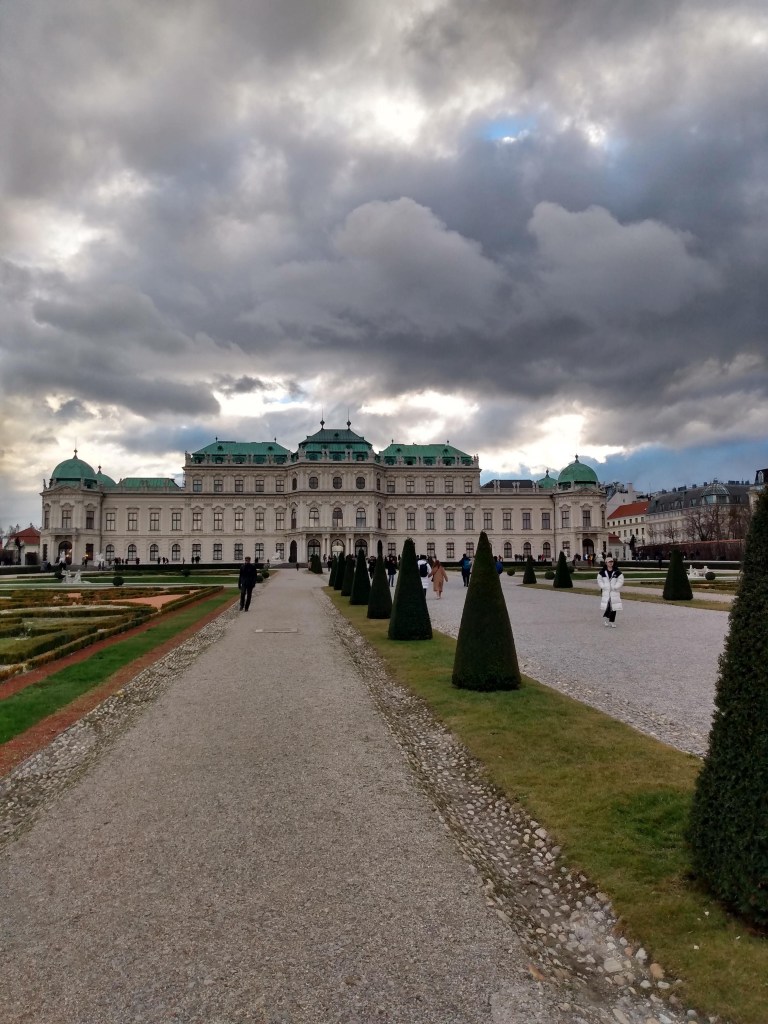
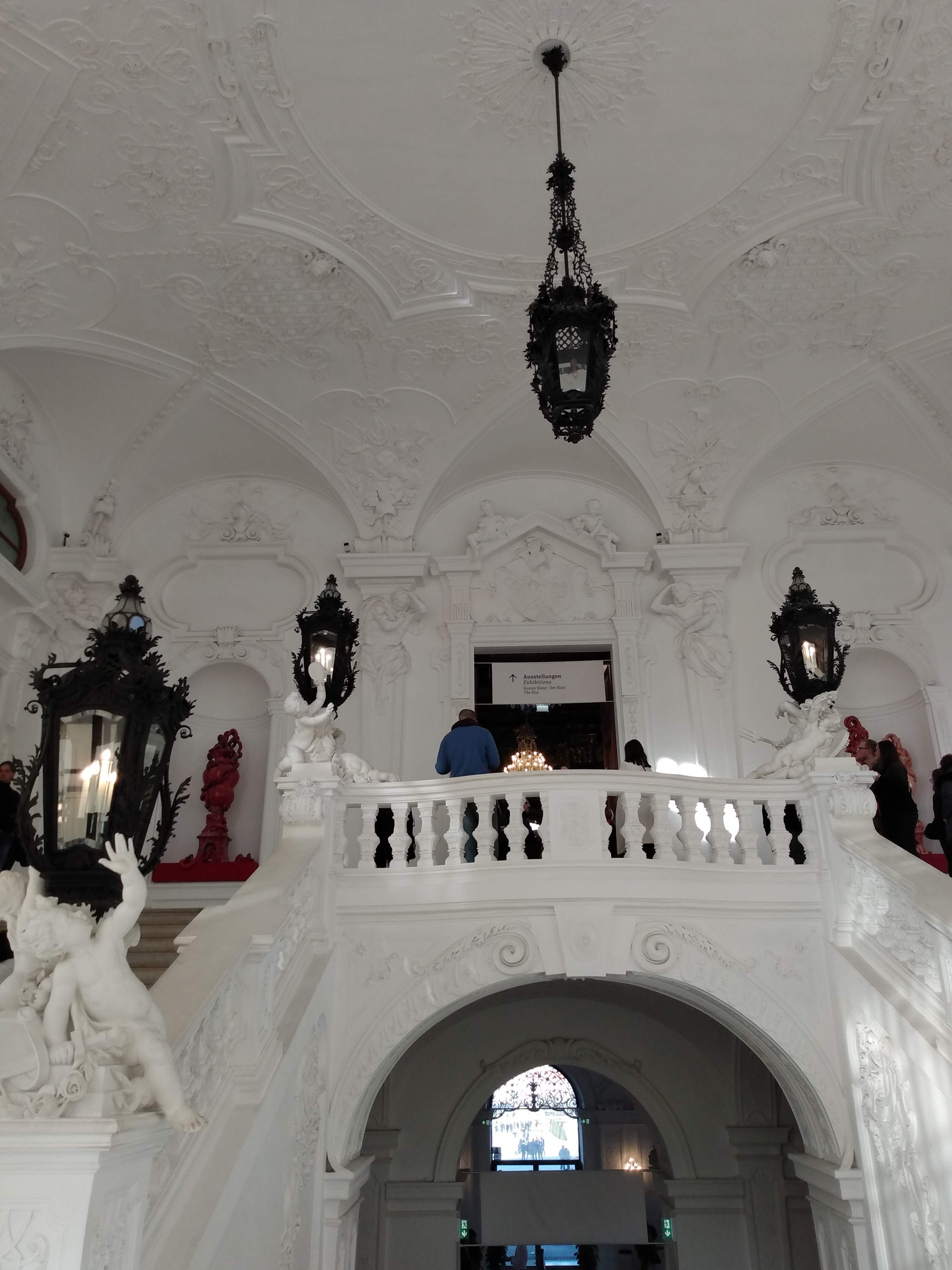
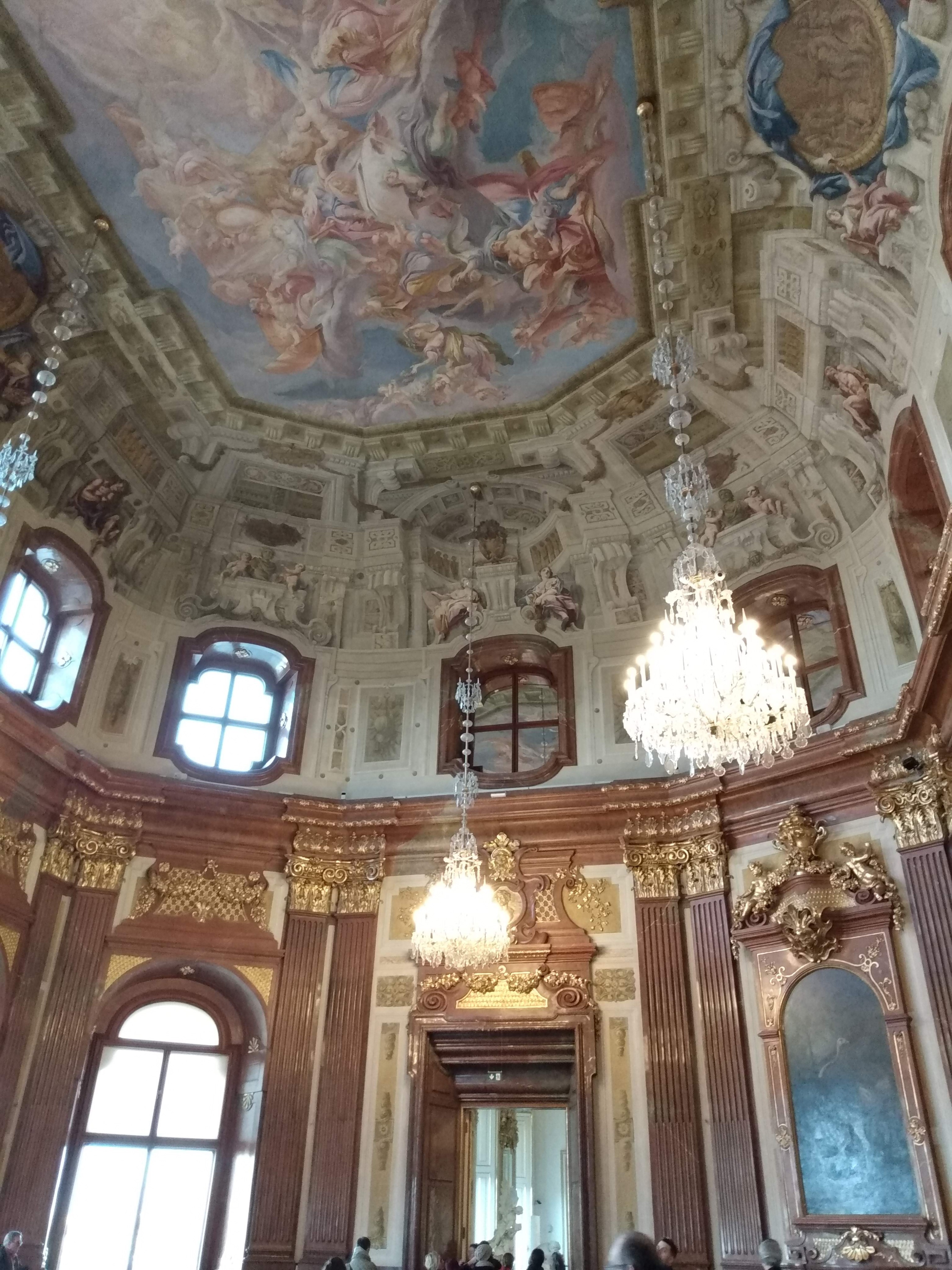
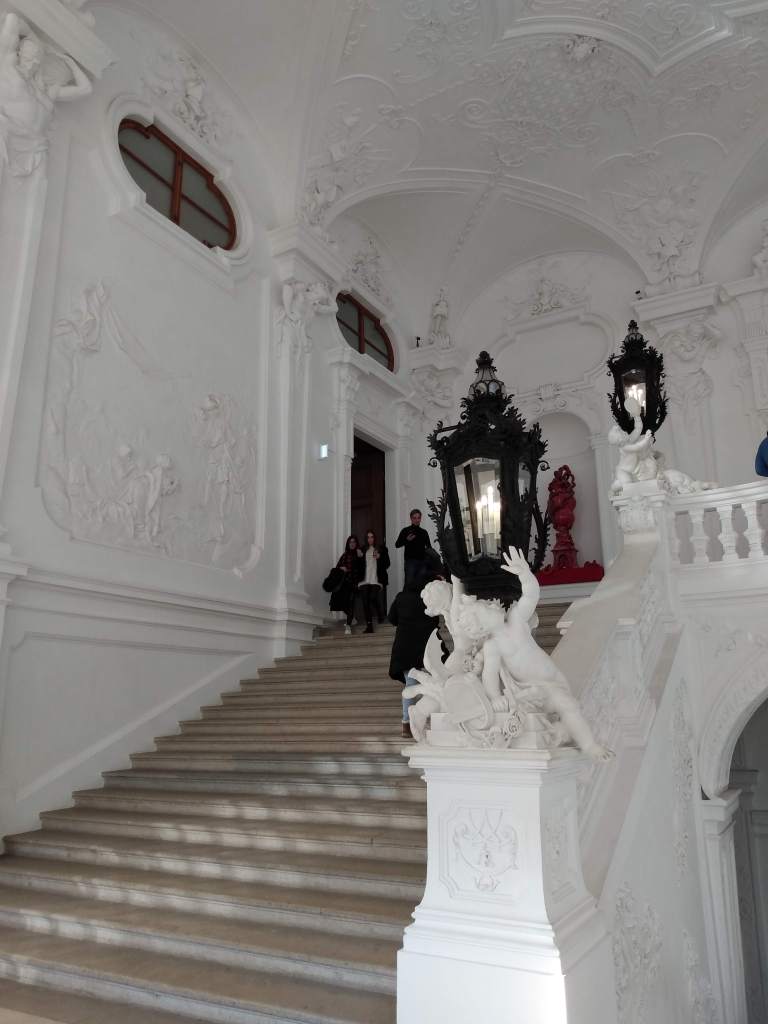
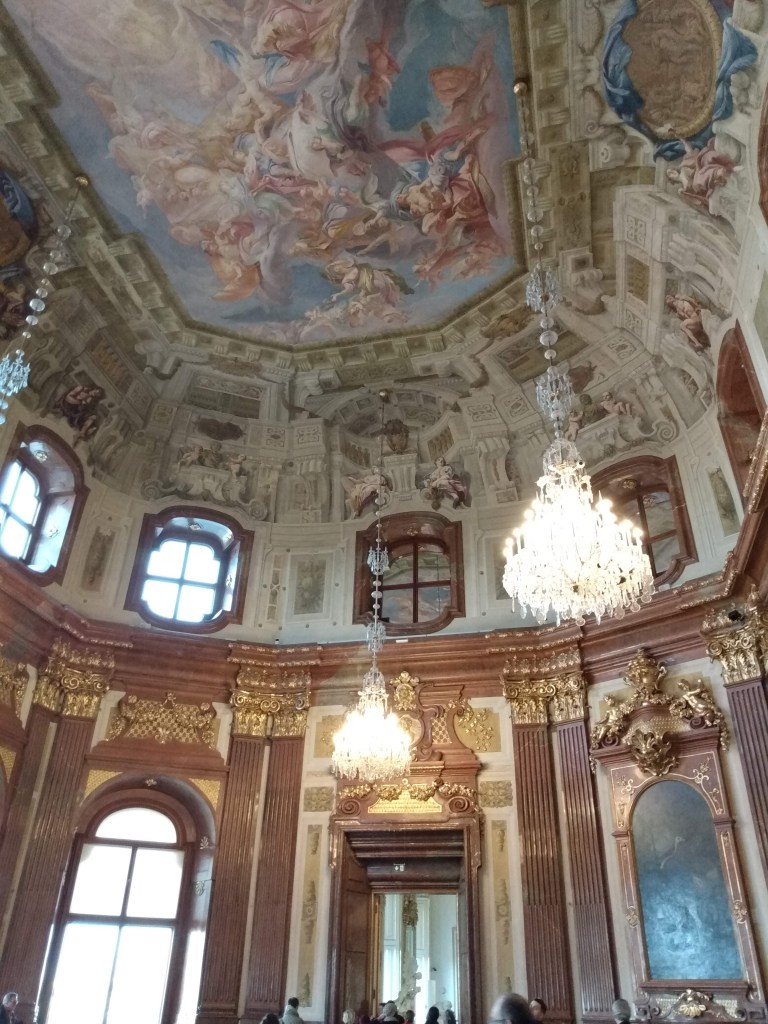
The Belvedere retains more of its original palace atmosphere and decorative features than the Albertina, such as decorative plasterwork on the ceilings of the exhibition rooms. Furthermore, the grand staircase is still pretty grand, and the elaborate opulence of the Marble Hall (one of the many rooms inside) has been preserved. The preservation of the Marble Hall is partially for historic reasons, as it was the site of the signing of the Austrian State Treaty in 1955, which restored full sovereignty to Austria after the Second World War.
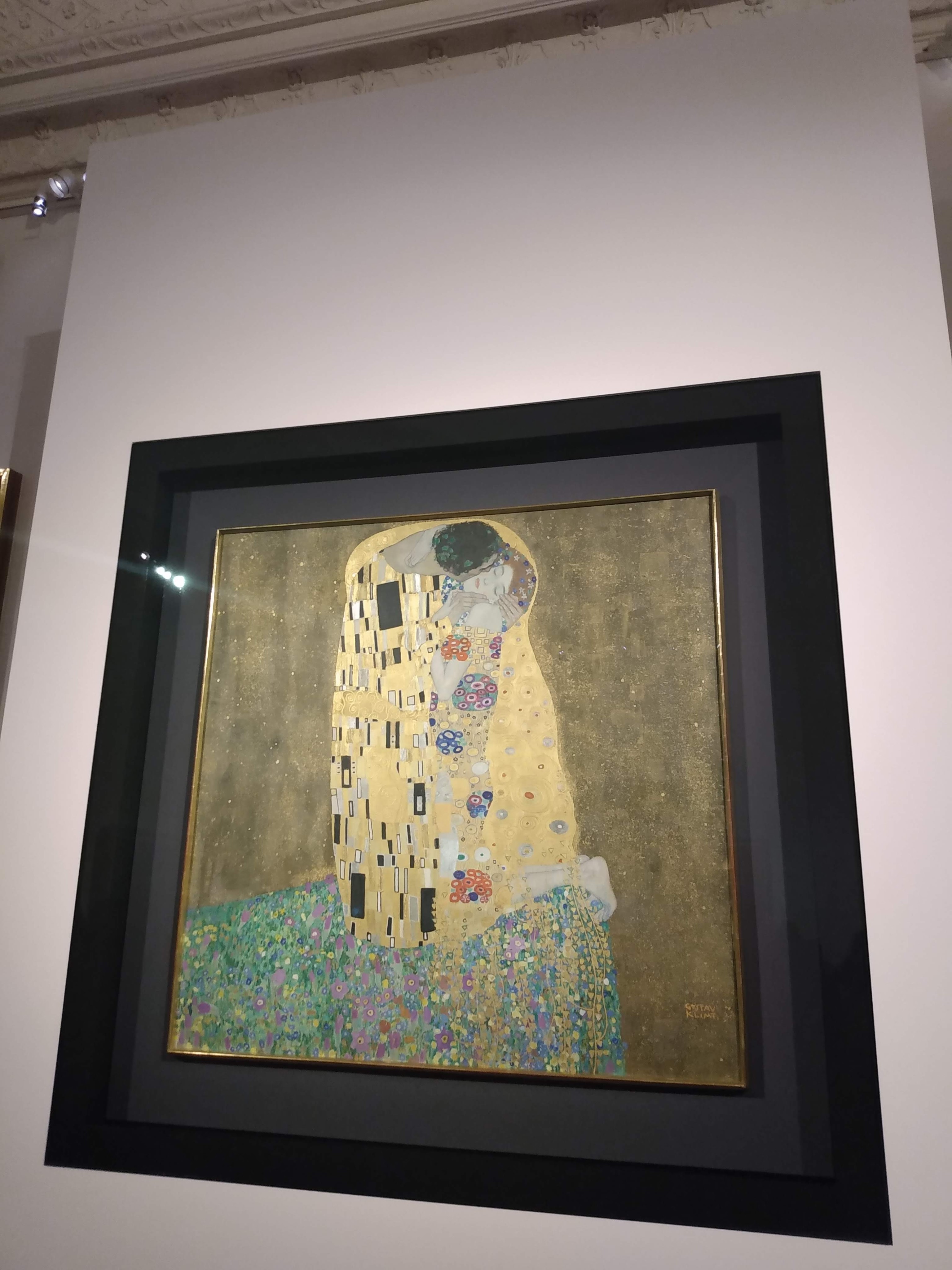
The Belvedere is one of my favorite museums, not only because of the beautiful backdrop it provides for the art, but also because of the art itself on display. Gustav Klimt, perhaps one of the most famous Viennese artists of the late 19th and early 20th century, is one of my favorite artists. The Belvedere has some of Klimt’s most famous works on display, including The Kiss, Judith and the Head of Holofernes, and several of his portraits of wealthy Viennese women.


Speaking of Klimt and the Belvedere, I would be remiss as a historian if I didn’t mention a major controversy involving the Belvedere (and, more broadly, Austria and its Nazi past). This is the museum’s reluctance to return paintings, including Klimt’s Portrait of Adele Bloch-Bauer I (also called The Woman in Gold), which were proven to have been stolen from their Jewish owners by the Nazis.

The film Woman in Gold dramatizes Maria Altmann’s lengthy (and ultimately successful) attempt to reclaim ownership of Klimt’s portrait of Adele Bloch-Bauer, which belonged to her family before being stolen by the Nazis, who gave it to the Belvedere. The film also depicts the Belvedere’s great reluctance to (a) return the painting to Altmann and (b) acknowledge how it was acquired in the first place.
Today, the Belvedere no longer owns the portrait of Adele Bloch-Bauer. It was returned to Altmann, who sold it to Ronald Lauder, the heir to Estee Lauder; it is now on display in the Neue Galerie in New York City. Several other paintings stolen from Jewish families have also been repatriated. When I visited the Belvedere this Christmas, I noticed that the museum now acknowledges the true history of these paintings’ ownership in a small exhibition on the museum’s history. This being said, the Belvedere’s gift shop still has plenty of merchandise featuring the Adele Bloch-Bauer portrait, letting the museum continue to make money from a painting it no longer has in its collection (and which it acquired due to the Nazi expropriation of Jewish property). Clearly, the Belvedere still has work to do in terms of dealing with its past.
This is a somewhat depressing note on which to end, but I believe it is important to acknowledge the uncomfortable and/or problematic aspects of a museum’s past (or current) practices. Museums do not exist solely to provide an experience for us. We are able to – and should – critique them as the imperfect institutions that they are.



 Making the Past Present
Leave a comment